Exile
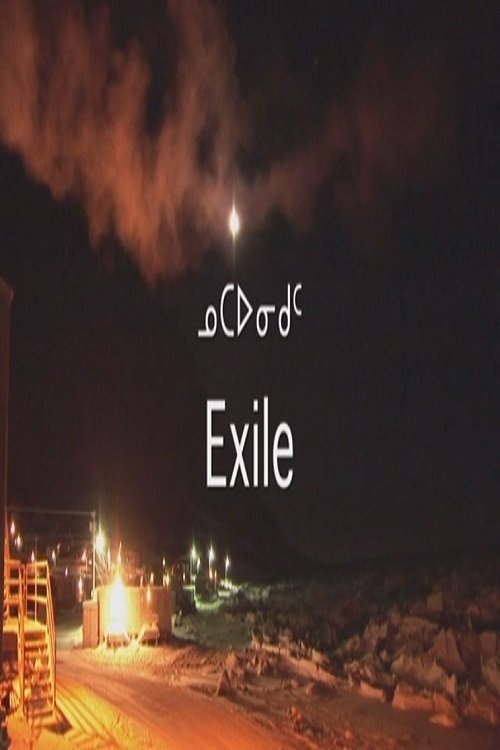
Exile
Zacharias Kunuk tackles the subject of the High Arctic Relocation from an Inuit point of view in the documentary Exile. In 1953, Inuit families were forcibly relocated to the uninhabited and inhospitable high arctic, 1500 kilometres north of their traditional homeland of Nunavik, in northern Québec. The goal of the move was to extend Canadian claims of sovereignty to Ellesmere Island. As a result, Inuit people were forced to endure the pain of families torn apart and many years of hardship. With devastating first-person accounts of survival, the trail of broken promises and shameful practices of the government and the RCMP, this powerful documentary captures the long-standing effects of these events from the perspectives of the people who were forced to endure them.
Movie Information
| Release Date | 2009-01-01 |
| Runtime | 48 Minutes |
| Language | EN |
| Rating | 0/10 |
Story Summary
Exile is a 48‑minute documentary that examines the 1953 High Arctic Relocation through the eyes of Inuit survivors. The film follows personal testimonies of families who were forced by the Canadian government and the RCMP to abandon their homes in Nunavik and move 1,500 kilometres north to the barren lands of Ellesmere Island, a move intended to cement Canadian sovereignty. Through intimate interviews, archival footage, and stark visuals of the harsh environment, director Zacharias Kunuk reveals the broken promises, cultural dislocation, and lasting trauma experienced by the Inuit community.
Review
Kunuk’s restrained yet emotionally resonant direction makes Exile a compelling historical record and a moving act of cultural reclamation. The documentary balances stark landscapes with powerful first‑person narratives, allowing viewers to feel the isolation and resilience of the relocated Inuit. While its brief runtime limits deeper exploration of policy details, the film succeeds in foregrounding indigenous voices and exposing the human cost of geopolitical ambition. Critics have praised its authenticity and the ethical responsibility it assumes in documenting a largely overlooked chapter of Canadian history.
Frequently Asked Questions
What motivated the Canadian government to relocate Inuit families in 1953?
The relocation aimed to establish a permanent Canadian presence in the High Arctic to strengthen sovereignty claims during the early Cold War period.
How were the Inuit families informed about the relocation?
Many were told they would receive better housing, food, and employment, promises that were largely unfulfilled.
Did any families return to their original homes?
A small number eventually moved back or were resettled elsewhere, but many remained on Ellesmere Island for decades.
What role did the RCMP play in the relocation?
The Royal Canadian Mounted Police facilitated the move and enforced government policies, often acting as the primary authority in the new settlements.
Has the Canadian government officially apologized for the High Arctic Relocation?
In 2010, the federal government issued a formal apology acknowledging the hardships caused by the relocation.
Read More on MovieFlims
Read the complete movie details, cast, trailer, ratings, reviews and related movies on MovieFlims.


0 Response to "Exile"
Post a Comment